 PEGASUSDEPOT
- Shop
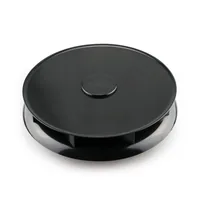
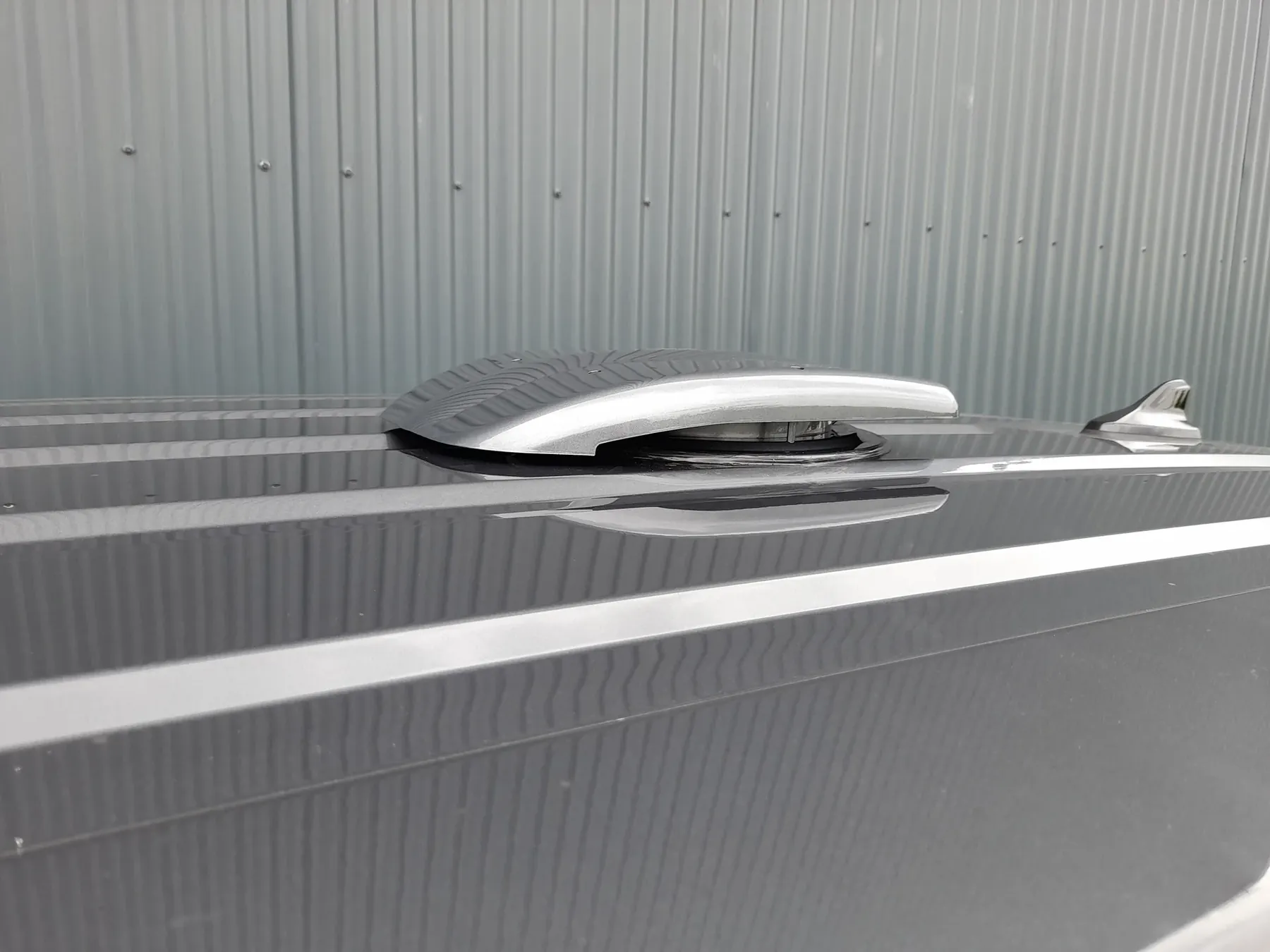
Le Mans 850 m³/hThe roof fan Europe's bodybuilders specify. From €105.
By category
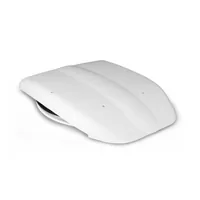 Rooftop VentilatorsElectric and wind-driven roof fans, 12V and 24V
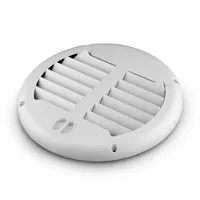 Interior Valves & GrillesClosable ceiling valves, LED valves and grilles
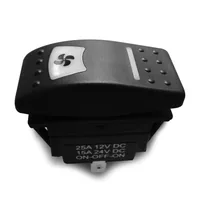 Switches & Controls3-way switches, speed controllers and hatch control units
 Roof HatchesECE 43R glass dome hatches, manual and electric
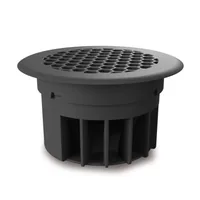 Floor Vents & FiltersFloor ventilators and snow filters for a complete airflow loop
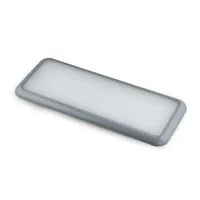 Interior LED LightingIP67 dome lights with white and blue night mode, 12/24V
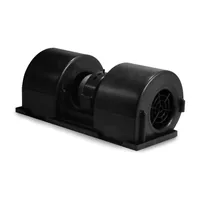 Axial & Radial FansOEM blowers and cooling fans, configured on request
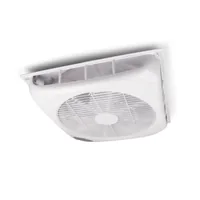 Indoor ClimateCeilingflow ceiling fans and HEPA air purifiers
 - Shop by vehicle
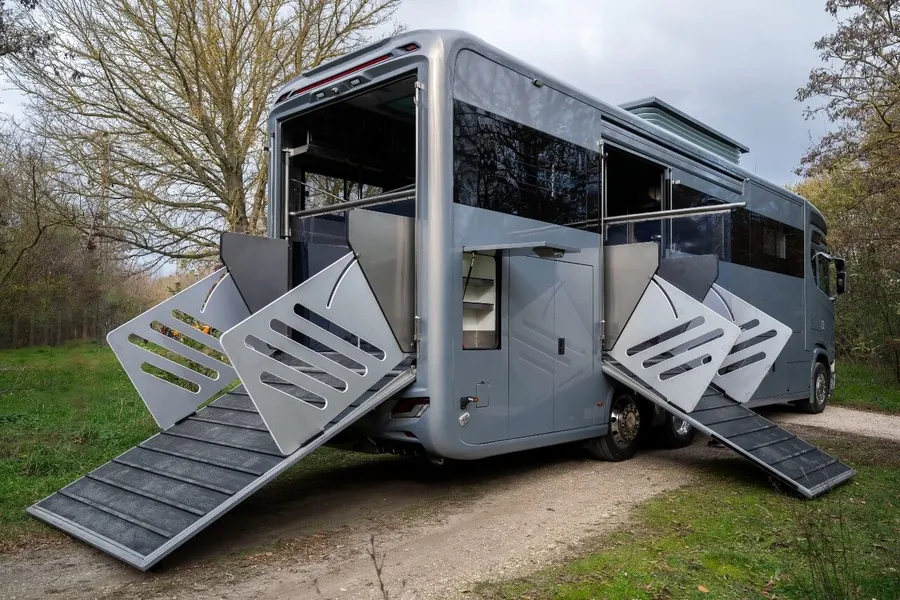
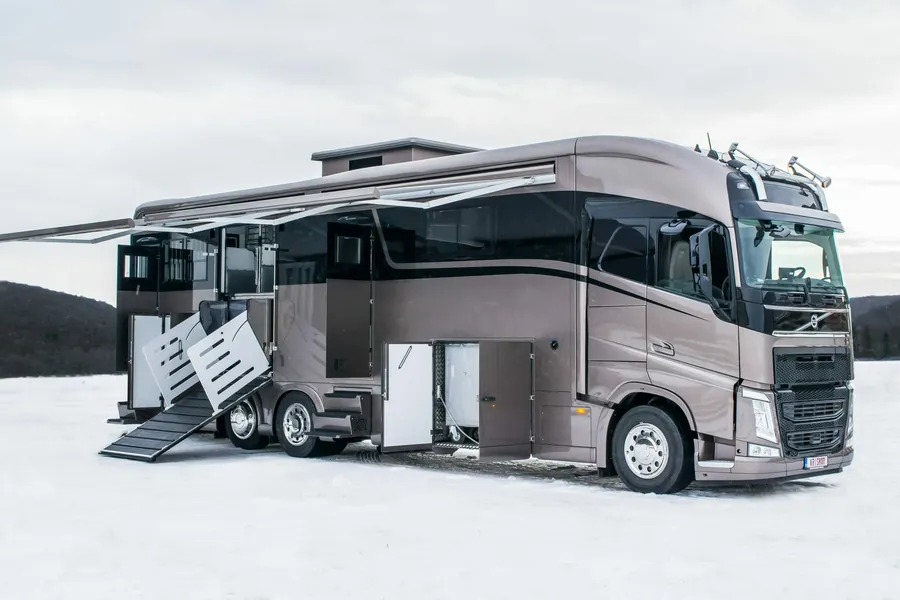
Horse trailersCalm horses arrive ready to perform.
 Campers & MotorhomesLeisure vehicles
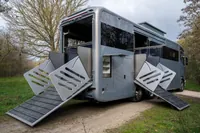 Horse Trailers & HorseboxesEquestrian
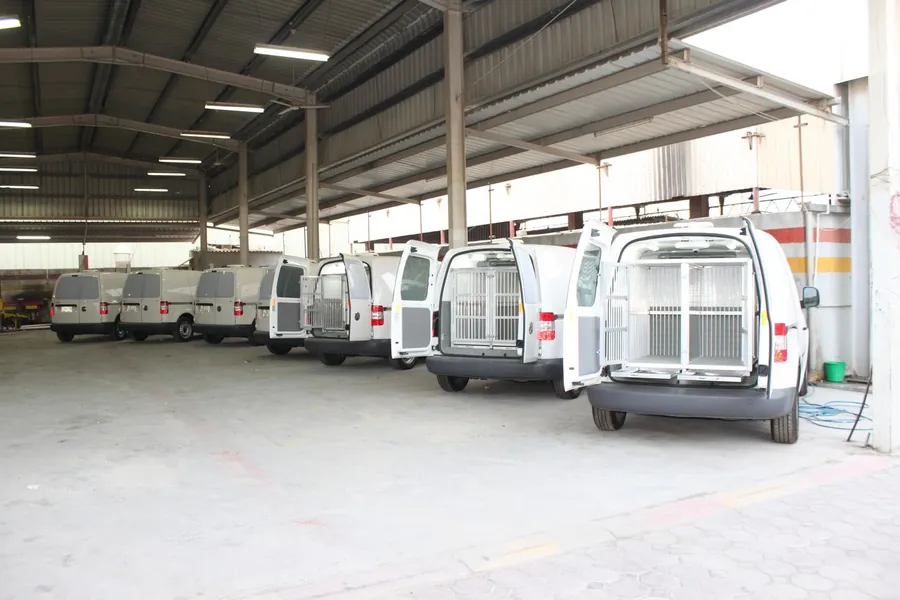
 Commercial Vans & Service VehiclesBodybuilders & fleets
 Buses & CoachesPublic transport
 Ambulances & Emergency VehiclesEmergency services
 Animal & Livestock TransportAnimal welfare
 Boats & MarineOn the water
 Dog & K9 TransportPolice, security, breeders, hunters
 - Trade
- Guides
- About