

Why a horse trailer heats up so fast
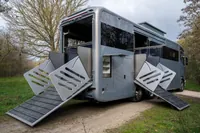
Stand in an empty horse trailer on a sunny day with the ramp up and you will feel it within minutes. The roof is a thin skin facing the sun, the walls are aluminium or GRP, and there is very little air movement once the vehicle stops. Now put a horse inside. A large animal working hard to stay calm gives off a great deal of heat and moisture through its skin and its breath, and in a small enclosed space that heat has nowhere to go.
The result is a trailer that is often noticeably warmer inside than the air outside, and warmest of all at horse-head height near the roof. Horses cope with heat less well than we do, they struggle to sweat effectively in humid air, and a hot, stuffy box is one of the most reliable ways to load a nervous traveller and unload a stressed, sweating one.
The vents built into most trailers, small louvres up front and a gap at the ramp, rely on the trailer moving. In traffic, at a show, or waiting at the vet, they do almost nothing. That is the gap a proper ventilation system fills.
Ammonia, dust and the airway
Heat is the obvious problem, but the one that does the most quiet damage is air quality. A horse that urinates during a journey, which most do, leaves bedding that starts to release ammonia. Add dust from hay nets and shavings and you have an atmosphere that irritates the airway of a horse already breathing faster than usual because it is warm and anxious.
Anyone who has mucked out a trailer after a long day knows the sting of that smell at floor level. For the horse, whose nose drops towards the floor whenever it relaxes, that is the air it breathes. Over repeated journeys, poor air goes hand in hand with coughing, a runny nose on arrival, and a horse that needs a day to recover before it can work. Good airflow through the trailer, low in and high out, dilutes and removes ammonia before it builds to that level.
This is also why we advise against relying on a roof vent alone. Extraction at the roof pulls air from the top of the box. Unless there is a deliberate inlet down low, the air at floor level barely moves, and that is precisely where the ammonia is.
Condensation and the wet roof
In autumn and winter the enemy changes from heat to moisture. A horse's breath is warm and humid, the roof of the trailer is cold, and the result is condensation that forms on the underside of the roof and drips onto the horse's back. Rugs get damp, the floor and bedding get wetter, and a damp trailer in cold weather means a chilled horse rather than a warm one.
The cure is the same as for heat: keep the air moving so the humid air is carried out before it reaches the cold surface. A roof extractor running on a low speed in winter will not chill the trailer, it simply replaces damp air with drier air, and the difference to the roof lining and to the smell of the trailer the next morning is remarkable. A snow filter fitted beneath the ventilator hood keeps driven snow and heavy rain away from the motor when you are running the fan in bad weather.
The Le Mans and a floor inlet: how the air should move
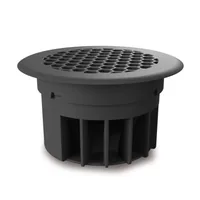
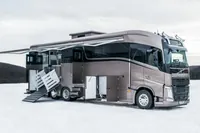
The layout we recommend for most two-horse trailers and small horseboxes is straightforward. A powered extractor sits in the roof, ideally towards the rear where the air is warmest and the muck accumulates, and a floor-level inlet sits near the front or low in a side wall. Air enters low, passes the horse's nose, picks up heat, moisture and ammonia, and leaves through the roof. One clear path, no dead corners.
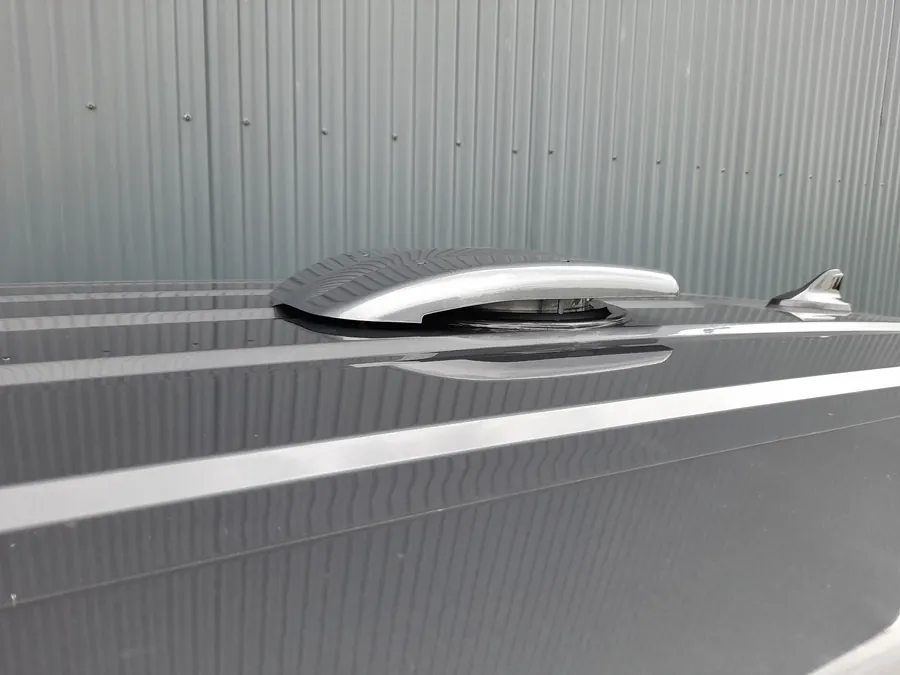
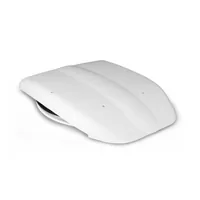
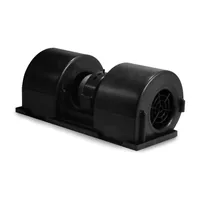
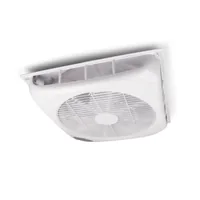
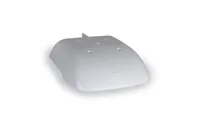
For the roof unit, the Le Mans rooftop ventilator is the workhorse: 850 m³/h through a 230 mm cut-out, a hood that keeps the rain out, and the reserve to clear a hot box quickly after loading. A two-horse trailer body is a small volume, so at full speed the Le Mans can replace the air in it many times over each hour, and at low speed it keeps a gentle, near-silent draught moving all day.
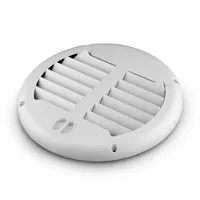
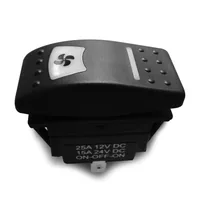
For the inlet, the 129 mm floor ventilator fits through the floor or a low side panel and brings fresh air in at the height where it matters, with a grille that keeps hooves and bedding where they belong. Together they turn the trailer from a sealed box into a flow-through space. Everything that goes with it, the switch, the interior valve and the floor inlet, can be added on the product page with photos and prices alongside, so it all arrives in one order.
Night ventilation and stabling on the road
More and more owners use the trailer or horsebox as overnight stabling at shows, endurance rides and on long trips. That changes the demands on the ventilation. You want steady, quiet airflow for eight or ten hours from a leisure battery, not a fan that either roars or sits silent.
This is where the brushless Le Mans LL earns its place. It moves 515 to 565 m³/h while drawing around 34 W, so it can run through the night on a modest leisure battery and it is quiet enough not to disturb a horse that is trying to rest. Add a speed controller and you can turn it down to a whisper once the box has cooled and back up when the sun hits the roof at six in the morning.
A few habits go a long way. Park with the ramp in shade where you can, open the front vents to give the extractor an easy inlet, and check the temperature at horse height rather than at your own. A trailer that feels fine to a person standing at the ramp can still be warm and close up near the roof lining.
Fitting notes for trailers and horseboxes
A towed trailer normally runs on 12 V, fed either from the towing vehicle's socket or from its own leisure battery. A horsebox built on a lorry chassis is very often 24 V. Order the ventilator, switch and speed controller in the matching voltage, and if in doubt, look at the battery rather than guessing.
The 230 mm roof cut-out for the Le Mans family should sit between roof bows and clear of any partition track. On a GRP roof, seal the cut edge before fitting so moisture cannot get into the laminate. Inside, a solid grille protects the blades from a tossing head. Run the wiring in conduit where a horse cannot reach it and put the switch where the driver or groom can reach it from outside the stall area.
If you are unsure how your particular trailer is built, our horse trailer guide covers the common layouts, and we are always happy to look at a photo. We are an independent European specialist retailer with every part in stock in the Netherlands, so a complete order can usually be with you within days.
Frequently asked
Should the fan run while the trailer is moving?
Yes, and it is often when it is needed most. Standing in traffic or crawling through a town in summer, the built-in vents do little, while a roof extractor keeps the air moving regardless of speed. On a long motorway run you can turn it down; in slow traffic turn it up.
Will a roof fan frighten the horse?
In our experience the opposite happens. A fan on a low speed is quieter than the road noise around it, and most horses settle faster in a cool, fresh box than in a hot, stuffy one. Introduce it at low speed the first few journeys and run it up gradually.
Do I still need a floor inlet if the trailer has front vents?
The front louvres help while moving but they are high up and small. A floor-level inlet brings fresh air in where the horse's nose is and where ammonia collects, and it works when the trailer is parked. It is a small job that makes the extractor far more effective.
Can I fit the ventilator myself?
Yes, if you are comfortable cutting a 230 mm hole with a jigsaw or hole saw and running a 12 V cable. The frame clamps the roof skin and the wiring is a simple two-wire connection to a switch. If your roof is GRP, seal the cut edge first. Any trailer workshop can also do it in a couple of hours.