








A roof fan pulls, but something has to give
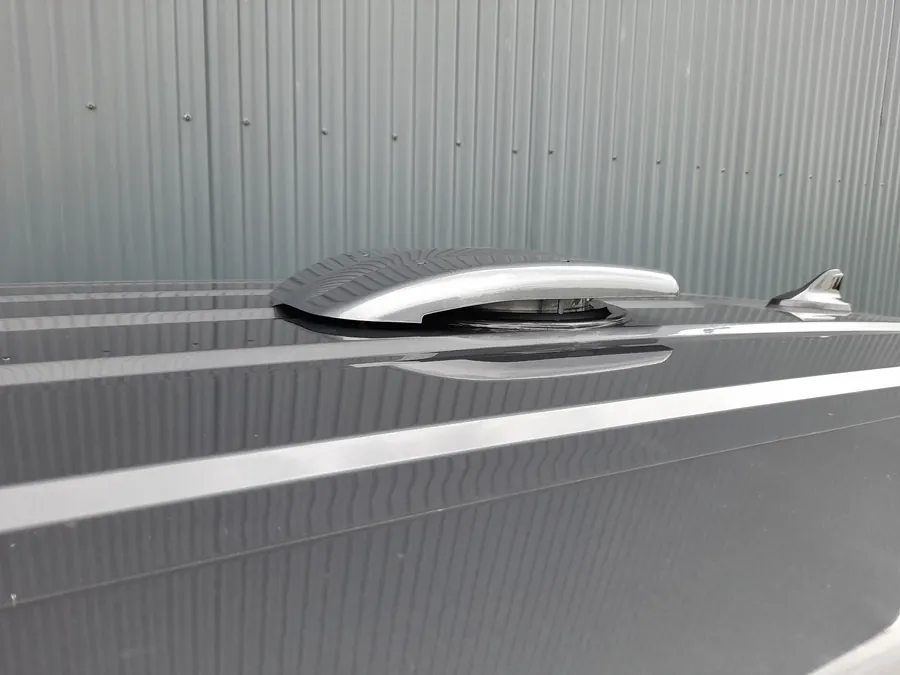
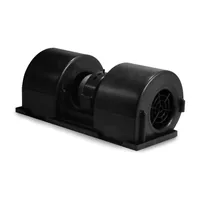
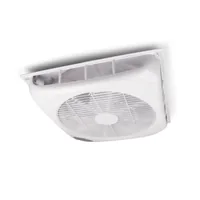
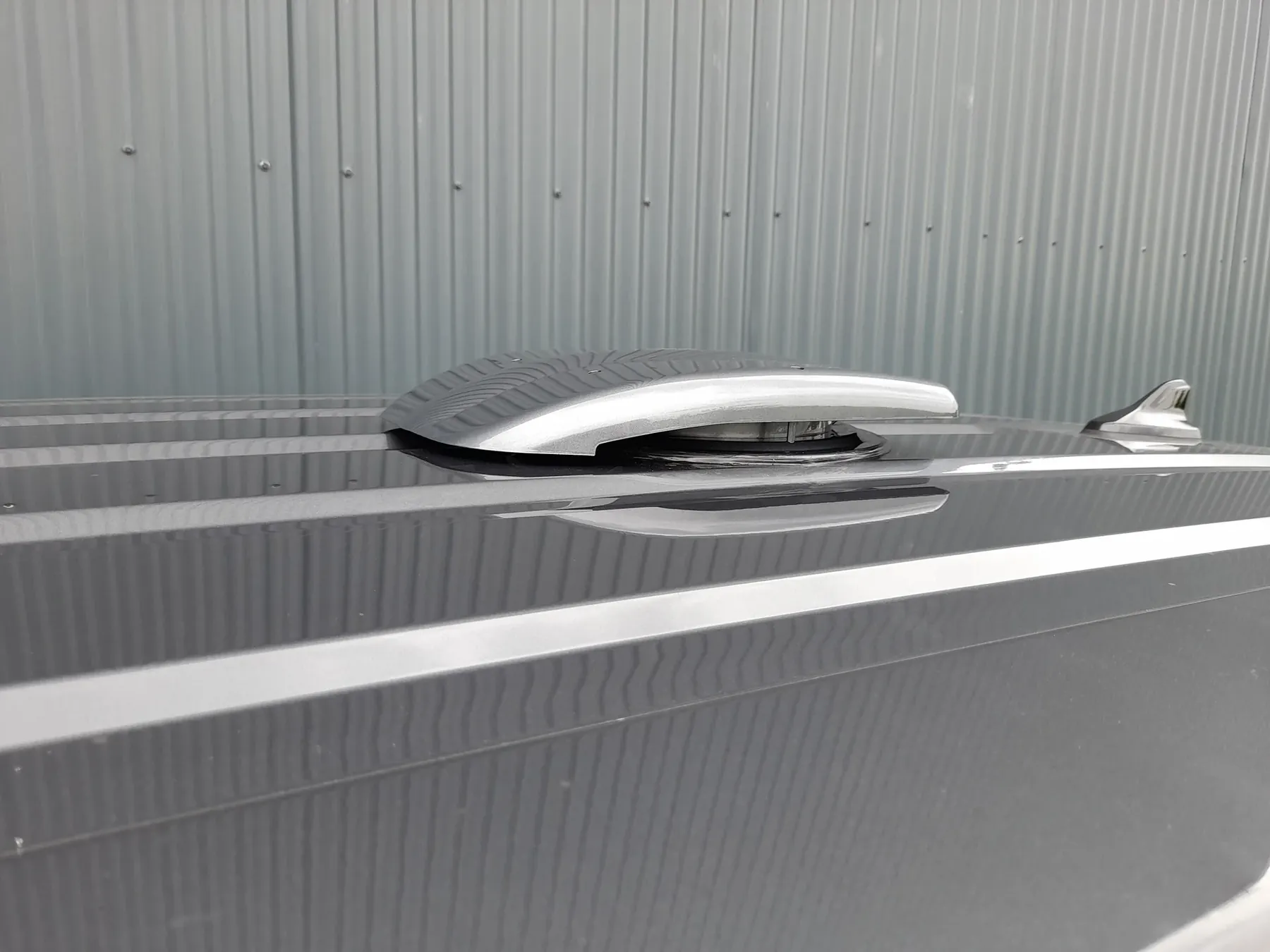
A rooftop ventilator is an extractor. Whether it is a Le Mans moving 850 m³/h over a horse trailer or a small Winglet in a dog box, its job is to pull stale air out through the roof. That is only half the story. Every cubic metre that leaves the vehicle has to be replaced by a cubic metre coming in, and if you have not given the air a proper way in, the fan will find one for you.
In a well-sealed body, a working extractor creates a slight negative pressure. The fan then has to work against that pressure, which means less air actually moves, more noise, and a motor that runs warmer than it should. Fitters see this all the time: a customer complains that a big roof fan does nothing, and the cause is simply that the box is too tight for the fan to breathe.
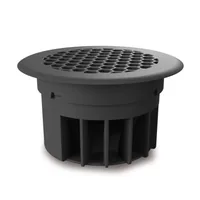
The fix is not a bigger fan. It is an inlet. A floor ventilator gives the extractor a defined, controlled path for replacement air, low down in the body where you actually want fresh air to arrive.
Where the air comes from when there is no inlet
Without a proper inlet, replacement air arrives through whatever gaps exist: door seals, cable grommets, ramp hinges, the gap around a rear tailgate. Those leak paths are rarely where you would choose. On a horse trailer or livestock body the largest gap is usually at the back, close to the road surface and close to the exhaust of the towing vehicle.
That means an extractor with no inlet can actually draw exhaust fumes and road dust into the animal area. The same applies to a camper: a roof fan running on a cold evening with the windows shut can pull air in around the habitation door and the gas locker, which is the last place you want to be drawing from.
A floor ventilator changes the geometry. Air now enters through a purpose-made opening with a grille, positioned away from the exhaust, and the roof fan does what it was designed to do.
Low-hanging gases live at floor level
There is a second reason to bring air in low. Several of the things you most want to remove from a vehicle interior are heavier than air, or at least tend to settle. Ammonia from urine in a horse or livestock body builds up at floor level. LPG, used for cooking and heating in most campers, is heavier than air and pools low if there is ever a leak. Exhaust gases drawn in through a leaking floor sit low too.
A roof extractor on its own pulls from the top of the body. Warm, moist air rises and leaves, but the floor zone can stay stagnant. Bring air in through the floor and you set up a sweep from low to high: fresh air arrives at floor level, picks up the heavier contaminants, and carries them up to the roof fan.
For horses and dogs this matters more than most owners realise. Animals spend the journey with their noses far closer to the floor than we do. A steady, low-level supply of fresh air is the difference between an animal arriving calm and one arriving stressed and sweating.
129 mm or 80 mm: choosing the size
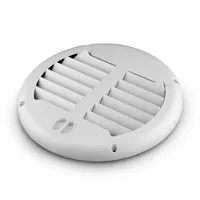
The floor ventilator range comes in two sizes, 129 mm and 80 mm. Which one you need depends on how much air your extractor moves and how much room you have in the floor.
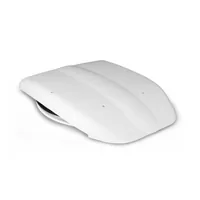
As a rule of thumb, the total free inlet area should be at least as large as the outlet area of the roof fan. A Le Mans or Round ventilator sits in a 230 mm cut-out, which is a lot of area to feed. In practice that means the 129 mm unit, and usually more than one. Two or three 129 mm floor ventilators paired with a single Le Mans is a common set-up on a two-horse trailer.
The 80 mm unit suits smaller extractors and tighter spaces: a Winglet in a dog box, a Turbo III on a small van roof, or as a supplementary inlet where a 129 mm cut-out would land on a chassis member. Several 80 mm units spread across a floor also give a more even air pattern than one large opening.
- Le Mans, Le Mans LL or Round (230 mm cut-out): 129 mm inlets, usually two or more
- Turbo II (128 mm cut-out): one 129 mm or two 80 mm inlets
- Winglet or Turbo III (80 mm cut-out): one or two 80 mm inlets
Placement: where to cut and where not to
Position matters as much as size. The aim is to bring air in as far from the extractor as practical, so the fresh air has to travel through the whole occupied space. In a horse trailer that usually means inlets towards the front of the floor with the roof fan towards the rear, or the other way round, never both at the same end.
Keep floor ventilators well clear of the wheel arches and the exhaust of the towing vehicle. Road spray is thrown forward and outward from the tyres, so an inlet directly behind or beside a wheel will be a spray inlet in wet weather. Check underneath before you mark out: you need a clear path for air below the floor, not a crossmember, a fuel tank or a spare wheel carrier.
Avoid the direct standing area of an animal where possible. A floor ventilator under a horse's feet will be trodden into and fouled quickly; place it along the sides or under a partition line instead. In a camper, under a bench seat or inside a wardrobe base works well because the opening is out of sight and out of the way of feet.
Fitting and keeping it working
Fitting a floor ventilator is a straightforward job with a hole saw and a good sealant. Cut the hole, deburr the edge, seal the cut edge of a plywood or composite floor against moisture, then bed the unit in and fix it down. The grille on the inside should sit flush so it does not catch bedding, straw or a dog's claws.
Once a year, or more often on a livestock body, lift the grille and clear out what has collected. Straw, sawdust and mud all find their way in. A blocked inlet quietly returns you to the situation you fitted it to avoid: a roof fan pulling against a sealed box.
Everything that goes with it, the switch, the interior valve and the floor inlet, can be added on the product page with photos and prices alongside, so it all arrives in one order.
Which vehicles benefit most
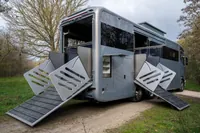
Every vehicle with an extractor benefits from an inlet, but a few stand out. Horse trailers and horseboxes are the clearest case: sealed bodies, animals producing heat and moisture, and ammonia collecting at floor level. Livestock trailers follow the same logic at a larger scale. Dog transport vans, with several small compartments, rely on floor inlets to get air into each box rather than just the corridor.
Campers gain most in cold weather, when windows stay shut and the roof fan is the only thing moving air. A floor inlet under the seating lets the fan run on low all night without pulling draughts through the door seal. If you are not sure how many inlets a particular body needs, the contact page is the place to ask; describe the vehicle and the extractor you have and you will get a straight answer.
Frequently asked
Do I still need a floor ventilator if the vehicle has windows or side vents?
Windows and side vents can act as inlets when they are open, but in rain, cold weather or on the motorway they are usually shut, and side vents high in the wall do nothing for the floor zone. A floor ventilator works whatever the weather and brings air in where the heavier gases collect, so most fitters treat it as part of the basic system rather than an extra.
How many floor ventilators does one Le Mans need?
As a rule of thumb, aim for a total inlet area at least as large as the 230 mm roof cut-out. For a Le Mans or Round ventilator that usually means two or three 129 mm floor ventilators, spread out so the air has to pass through the whole body on its way to the roof.
Will a floor ventilator let in water or road spray?
Not if it is placed sensibly. Keep it away from the wheel arches and the exhaust, make sure nothing under the floor channels spray towards the opening, and seal the cut edge of the floor. Fitted like that, a floor ventilator lets in air and very little else.
Can I fit a floor ventilator in a camper with tanks and heating ducts under the floor?
Usually yes, but check underneath first. You need a clear path for air below the opening, so avoid tanks, heating ducts, chassis members and the spare wheel. Under a bench seat or inside a wardrobe base is often the easiest spot, and the 80 mm unit fits where a 129 mm one will not.