Two sizes, two jobs
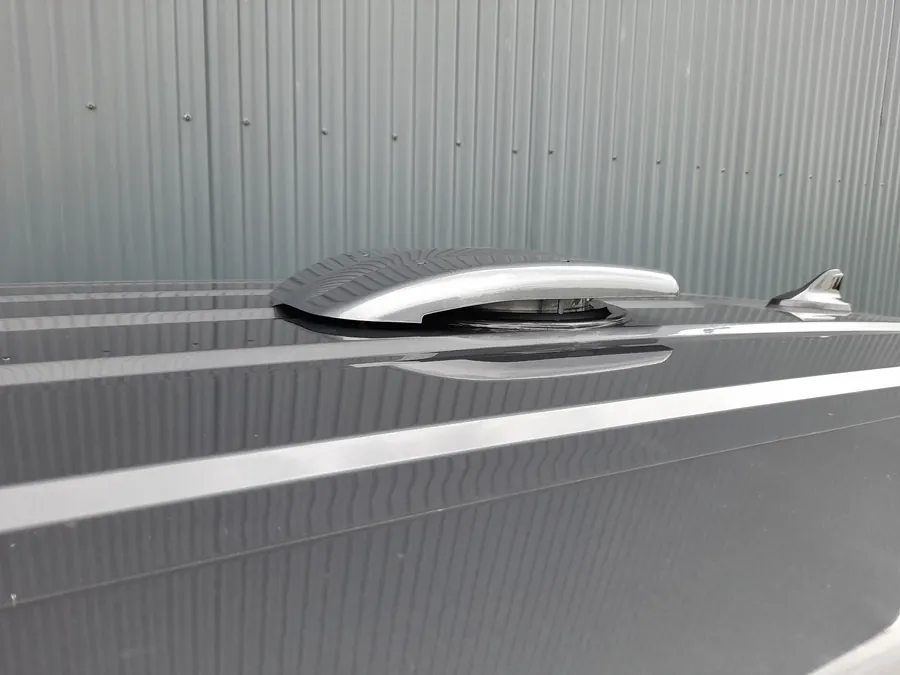
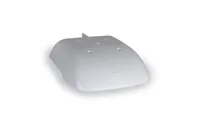
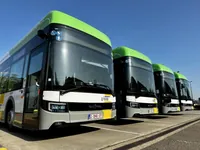
Every roof hatch we sell for buses, coaches, minibuses and welfare vehicles comes in one of two apertures: 530 x 530 mm or 970 x 530 mm. They share the same 40 mm frame, R80 corner radius, dark tinted ECE 43R glass dome and 30 to 70 mm roof thickness range. What separates them is the job they are approved to do.
The 530 x 530 hatch is a ventilation and daylight hatch, homologated to EC 2004/104 for electromagnetic compatibility and ECE 43R for the glazing. The 970 x 530 hatch does all of that and is additionally approved as an emergency exit under EC 2001/85, the European directive on how passengers must be able to escape a bus. It comes with a break-glass hammer for that reason.
So the first question is not which size looks right, but whether the vehicle needs an escape hatch. Manual or electric, and how many, follow from that. This guide walks through all of it with figures and prices from our bus and coach range.
The four hatches compared
The four variants side by side. All share the 40 mm frame, R80 corners, dark ECE 43R glass and 30 to 70 mm roof range, so those rows are left out. Prices exclude VAT.
| Specification | Manual 530 x 530 | Manual 970 x 530 | Electric 530 x 530 | Electric 970 x 530 |
|---|---|---|---|---|
| Aperture | 530 x 530 mm | 970 x 530 mm | 530 x 530 mm | 970 x 530 mm |
| Outer frame | 640 x 640 mm | 1080 x 640 mm | 640 x 640 mm | 1080 x 640 mm |
| Operation | Manual | Manual | Electric 24 V | Electric 24 V |
| Emergency exit EC 2001/85 | No | Yes | No | Yes |
| Break-glass hammer | No | Included | No | Included |
| Approvals | ECE 43R, EC 2004/104 | ECE 43R, EC 2004/104, EC 2001/85 | EMC, ECE 43R, EC 2004/104 | EMC, ECE 43R, EC 2004/104, EC 2001/85 |
| Weight | approx. 8.5 kg | approx. 14 kg | comparable plus motor | comparable plus motor |
| Control unit required | No | No | 30-6000 | 30-6000 |
| Price excluding VAT | 265 euro | 295 euro | 515 euro | 545 euro |
Notice how little the larger aperture adds to the price: 30 euro in either the manual or the electric version. The step from manual to electric is the expensive one, and it is where the control unit comes in.
Emergency exit rules: when the 970 is not optional
EC 2001/85, since carried into the UN regulation on bus and coach construction, requires enough emergency exits for passengers to leave if the doors cannot be used, and it lets roof escape hatches count towards that number. The sizing rules are these: an escape hatch must have a minimum opening of 4000 cm² and that opening must contain a rectangle of 500 x 700 mm. Smaller vehicles need at least one escape hatch, larger ones two, spaced apart along the roof.
Run the two hatches against that rectangle. The 970 x 530 aperture is 5141 cm² and a 500 x 700 mm rectangle fits inside with room to spare, which is why it is approved. The 530 x 530 aperture is 2809 cm² and cannot contain a 700 mm side in any orientation, so it can never count as an escape hatch, however easily it opens. That is the whole reason both sizes exist. In practice:
- A coach, city bus or full-size touring vehicle needs one or two 970 x 530 hatches, placed as the approval drawings require. Extra 530 x 530 hatches can be added for ventilation.
- A minibus or welfare vehicle with side and rear doors may already meet its exit count, in which case the 530 x 530 is a free choice for comfort.
- A motorhome, mobile office or exhibition vehicle without fare-paying passengers is not bound by the directive, and the 530 x 530 is usually the sensible size.
The exit count depends on vehicle class, capacity and door layout, so confirm it with the body builder or type-approval authority before cutting the roof. What we can promise is that the 970 x 530, manual or electric, carries the EC 2001/85 approval and arrives with hammer and paperwork.
Manual or electric: comfort against cost
The manual hatches open with a handle from inside. They are lighter, 8.5 kg for the small and 14 kg for the large, need no wiring and at 265 and 295 euro are roughly half the price of the electric versions. For a vehicle with one or two hatches within reach of the aisle they are perfectly adequate, and the emergency exit function of the 970 works exactly the same way.
The electric hatches replace the handle with a 24 V motor operated from a control unit at the driver's position. The case for them is strongest when the ceiling is high, the hatch is far behind the driver, there are several hatches, or passengers should not be climbing on seats. In a coach with a 970 front and rear, the driver can crack both open at a stop and close both from the seat before pulling away. They are EMC approved, so the motors will not interfere with the tachograph, radio or destination display.
Both electric hatches are 24 V, which suits almost every coach and bus. A 12 V minibus or motorhome can run them through a converter, supplied on request. Manual and electric versions of each size share the same aperture and outer frame.
The control unit 30-6000: what it actually does
Every electric hatch needs the control unit 30-6000, and one unit runs one or two hatches. It is a 96 x 49 x 28 mm module at 175 euro excluding VAT that mounts in the dashboard or a side console, and it does more than open and close:
- Separate front and rear control. Two orange illuminated push buttons open and close the front and rear hatch independently.
- Position display. Green LEDs show whether each dome is open or closed, saving a look over the shoulder before setting off.
- Auto-close on ignition off. The hatches close themselves when the ignition is switched off, so a coach is never left in the depot overnight with the roof open.
- Ventilation position with ignition off. A dedicated position keeps the hatch cracked open after the ignition is off, which is the one drivers use on a hot layover.
The unit is EMC approved and homologated to EC 2004/104 in its own right, so hatches and controller are covered as a system. It is 24 V to match the hatches, with a 12 V option via converter. Two electric hatches need one control unit, not two.
Fitting notes: roof thickness, frames and daylight
A few things to settle before the roof is cut:
- Roof thickness. All four hatches suit roofs from 30 to 70 mm, which covers the sandwich panels on coaches, minibus conversions and motorhomes. Measure the finished roof including headlining.
- Cut-out. The aperture is the hole, 530 x 530 or 970 x 530 with R80 corners. The pre-drilled outer frame, 640 x 640 or 1080 x 640, sits on the roof and the internal frame clamps up from below.
- Glass. The dome is dark tinted safety glass to ECE 43R, passing 17% of visible light, 6% of UV and 16% of heat. Passengers get soft daylight without glare or a hot patch on the seats.
- Gaskets. High-quality gaskets are fitted as standard; the seal is designed to work dry, so do not add sealant on the glass side.
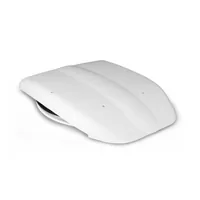
- Position. Emergency exit hatches go where the approval drawing puts them. Ventilation hatches work best at the highest point of the roof, and a 24 V Le Mans rooftop ventilator alongside moves air actively when the vehicle is parked.
Add a round dome LED light nearby and the ceiling is complete: daylight through the hatch by day, IP67 white or blue LED light by night.
Choosing in three questions
Does the vehicle need an escape hatch? If it carries passengers under EC 2001/85 and the exit count says yes, you need the 970 x 530, in the number and position the approval drawing gives. If not, either size is open to you and the 530 x 530 will usually do.
Can the driver reach it? If the hatch is within arm's reach of the aisle and there are only one or two, manual is fine and saves roughly 250 euro per hatch. If the ceiling is high, the hatch is far back or there are two, go electric and add one control unit 30-6000 for the pair.
What voltage? Coaches and buses are 24 V, which is what the electric hatches and the control unit are built for. A 12 V minibus or motorhome needs the converter, so mention it when you order.
We keep all four hatches and the control unit in stock in the Netherlands as an independent European specialist retailer, and they ship within 24 hours, hammer, gaskets and paperwork included. Send us the vehicle type, seat count and roof thickness and we will confirm size and quantity before you cut anything.
Frequently asked
Can the 530 x 530 hatch be used as an emergency exit?
No. An escape hatch under EC 2001/85 must contain a 500 x 700 mm rectangle and offer at least 4000 cm² of opening, and a 530 x 530 aperture meets neither. Use the 970 x 530, which is approved for the purpose and supplied with a break-glass hammer.
Do I need one control unit per electric hatch?
No. One control unit 30-6000 operates one or two electric hatches, with separate buttons for front and rear. Three or four electric hatches on a long coach need a second unit.
Will the electric hatch work on a 12 V vehicle?
The hatches and the control unit are 24 V. A 12 V vehicle can run them through a converter, which we supply on request. Say which vehicle it is going into when you order and we will include the right converter.
What happens to an open electric hatch when the driver switches off?
It closes automatically when the ignition is switched off. If the driver wants the vehicle to keep breathing while parked, the control unit has a ventilation position that holds the hatch slightly open with the ignition off.