








Where all that water actually comes from
Most people are surprised by how much water a van produces from the inside. As a rule of thumb, a sleeping adult gives off something like half a litre of water vapour over a night, and more when the weather is cold and the body is working harder. Cooking on gas adds a great deal more, because burning gas releases water vapour as a by-product, and a boiling kettle or a pan of pasta puts plenty into the air directly.
Then there are wet coats and boots, a dog that has been in the river, towels after a shower, and damp bedding that never fully dried from the night before. A van with two people, a dog and one hot meal can easily put a couple of litres of water into the air in a single evening. All of that has to go somewhere. If you give it nowhere to go, it ends up on the coldest surfaces: the windows, the metal roof skin, the inside of the doors and the panels behind cupboards where you cannot see it.
Dew point in plain words
Air can hold a certain amount of water vapour, and warm air can hold far more than cold air. The dew point is simply the temperature at which the air you have, with the moisture it is carrying, becomes full. Cool that air any further and it must drop some of its water as liquid. That is condensation.
Inside a van the air is warm and moist. The steel skin, the windows and any uninsulated frame members are close to the outside temperature. Wherever the surface is colder than the dew point of the air touching it, water forms. This is why condensation appears on the roof above the bed first, why it forms behind furniture where air sits still, and why a cold clear night is worse than a mild wet one. The colder the surface, the more the air gives up.
You can attack this from two sides. Raise the surface temperature with insulation, or lower the dew point by getting the moist air out and replacing it with drier air. Insulation helps, but it can never keep up with a kettle and two sleeping adults. Ventilation is what actually removes the water.
Why cracking a window is not enough
Opening a window or a roof vent a little does allow some air exchange, but it depends entirely on wind and temperature difference, and it stops working exactly when you need it most: on a still, cold night with everything shut for warmth. It also leaves you with a draught at one point and stagnant air everywhere else.
What you want is a deliberate path for the air. Moist air is extracted at the high point, where it collects, and fresh, drier air enters low down, well away from where you sleep. The incoming air warms up as it crosses the van, picks up moisture, and leaves through the roof. That steady, gentle flow is what keeps surfaces dry. It does not need to be a gale. A modest but continuous airflow does more than a burst of fresh air twice a day.
Extraction plus inlet: the pairing that works
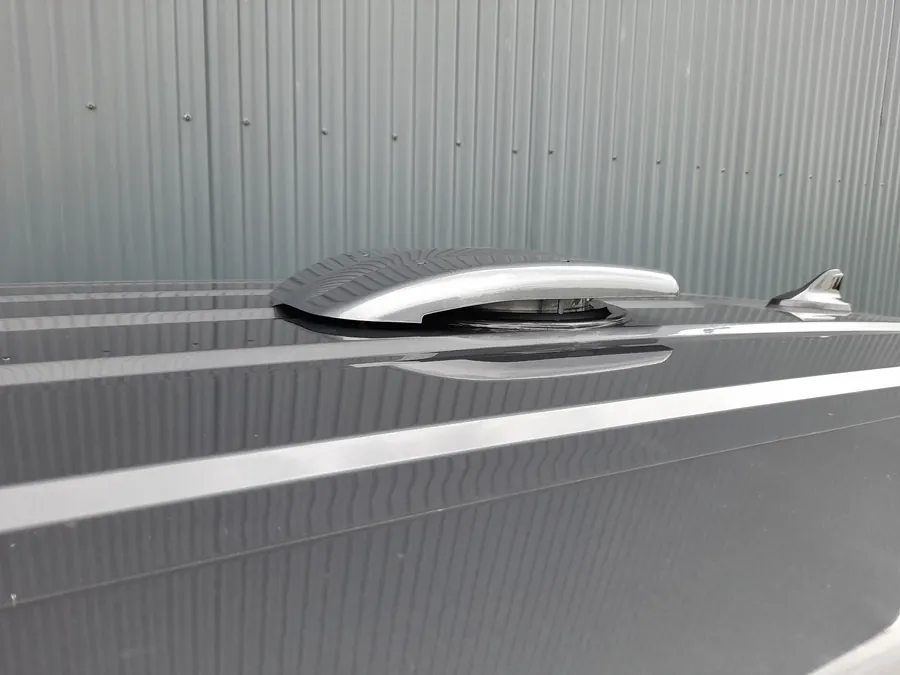
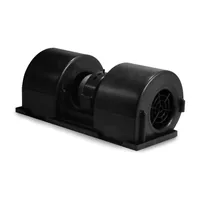
A single powered rooftop ventilator does the heavy lifting. The Le Mans moves up to 850 m3/h on full speed, which is far more than a van ever needs for condensation, so in practice it runs on a low setting and you save full speed for cooking or for cooling the van on a hot afternoon. If you would rather have the quietest possible night-time running, the brushless Le Mans LL draws around 34 W and moves 515 to 565 m3/h with less noise and less battery drain, which suits overnight use very well.
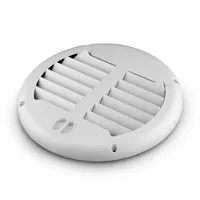
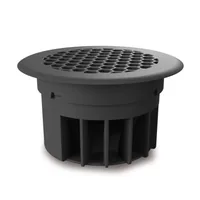
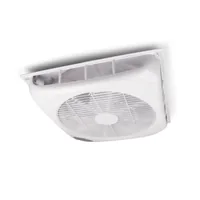
The ventilator needs somewhere to pull air from. Without an inlet it simply creates a slight vacuum and the flow drops off. A floor ventilator in the low part of the van, ideally under a bed base or seat where it cannot be blocked, gives fresh air a clean route in. The air then rises naturally as it warms, crossing the van on its way to the roof. If you prefer an inlet at head height for a summer breeze, an adjustable interior valve such as the V12 lets you open and close it as you like.
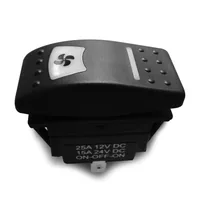
For a typical panel van conversion or small motorhome, one rooftop extractor above the sleeping or cooking area plus one low inlet is a sound starting point. A larger motorhome with a separate washroom benefits from a second, smaller extractor in that room, because showers are the biggest single moisture load of the day. Everything that goes with it, the switch, the interior valve and the floor inlet, can be added on the product page with photos and prices alongside, so it all arrives in one order.
Passive versus powered: choosing honestly
Passive ventilators need no wiring and draw no current, which is attractive on a small battery. A wind-driven Turbo II spins in the airstream while you drive and in any breeze when parked, and a venturi-type exhaust ventilator uses the air passing over the roof to draw air out. On the road, both work well, and they are excellent for keeping a parked van from going stale.
The honest limitation is that passive ventilation does the least on the calm, cold night when condensation is at its worst. If the van is used for sleeping, especially in autumn and winter, a powered extractor on a low setting is the reliable answer. Many owners fit both: a powered unit above the bed and a passive one at the far end, so there is always some exchange even with the switch off and the battery resting.
Whichever you choose, keep the cut-out and the sealing in mind. The Le Mans and Round family use a 230 mm cut-out, the Turbo II a 128 mm cut-out, and the exhaust ventilator fits a cut-out up to 140 mm. A neat hole and a clean bead of sealant around the flange matter as much as the ventilator itself.
A daily routine that keeps a van dry
Hardware is only half the story. A few habits make a large difference.
- Run the extractor on low from the moment you start cooking until the windows are clear again, not just while the pan is on.
- Leave the extractor on its lowest speed all night in cold weather. The battery cost is small and the bedding stays dry.
- Hang wet gear near the inlet, not the bed, so the moisture goes straight to the roof.
- Open cupboard doors that back on to outer panels when the van is parked up, so air can reach the cold surfaces behind them.
- Give the van a proper airing on a dry, breezy day: everything open, extractor on high, for half an hour.
If you are planning a conversion and want a second opinion on where the extractor and inlet should go, our camper page covers the typical layouts, and you are welcome to send us a sketch of your floor plan through the contact page.
Frequently asked
Will a rooftop ventilator make the van cold at night?
On its lowest setting, no. It moves a gentle volume of air and the incoming air warms quickly. Most owners notice drier bedding long before they notice any draught.
Do I really need an inlet if I have an extractor?
Yes. An extractor with no inlet just lowers the pressure inside the van and the flow drops right off. A floor ventilator or an interior valve gives it a proper path.
Is a passive ventilator enough for a weekend van?
For a van that is mostly driven and parked, a passive unit keeps it fresh. For sleeping in cold weather, add a powered extractor.
Where should the extractor go, above the bed or above the cooker?
If you can only fit one, above the bed, because that is where you spend the longest stretch of time producing moisture. Cooking is short and you can run the fan on high.
How much battery does the extractor use overnight?
The brushless Le Mans LL draws around 34 W on full speed and considerably less on a low setting, so a night's running is modest on a normal leisure battery.