
What a coach roof hatch has to do
A roof hatch on a bus, coach or minibus earns its place three times over. It ventilates the passenger compartment, letting warm, stale air out through the highest point of the vehicle. It brings daylight into the saloon, which passengers appreciate more than most operators realise. And, most importantly, it serves as an emergency exit when the doors cannot be used.
That last job shapes everything about how a hatch is built. The glass, the frame, the release mechanism and the way it is mounted all have to work in the worst moment of the vehicle's life, after years of vibration, sun and rain. This is why we only stock hatches designed for the bus and coach market, and why we are careful to explain the differences before you order.
Manual hatches: simple, robust, always ready
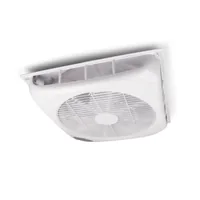
A manual roof hatch is operated by hand from inside the vehicle. A handle or lever lifts the panel into a tilted ventilation position, and a separate emergency release lets the whole panel be opened or pushed clear. There is no wiring, nothing to fail electrically, and it works exactly the same whether the vehicle is running or parked with the master switch off.
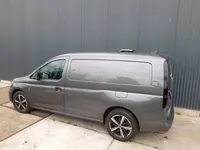
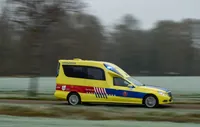
Manual hatches suit minibuses, smaller coaches, ambulances, horse lorries with a groom's area, and any vehicle where the hatch is within easy reach of the driver or a passenger. They are also the natural choice for a retrofit where you would rather not run new cables through a finished headlining. The compact manual 530 x 530 mm hatch is the version most of our customers choose for this kind of installation.
The limitation is convenience. On a full-size coach the hatches are out of reach from the driver's seat, so a manual hatch left open in a shower means someone has to walk down the aisle. If you want the driver to control ventilation without leaving the seat, electric is the answer.
Electric hatches: driver control and comfort
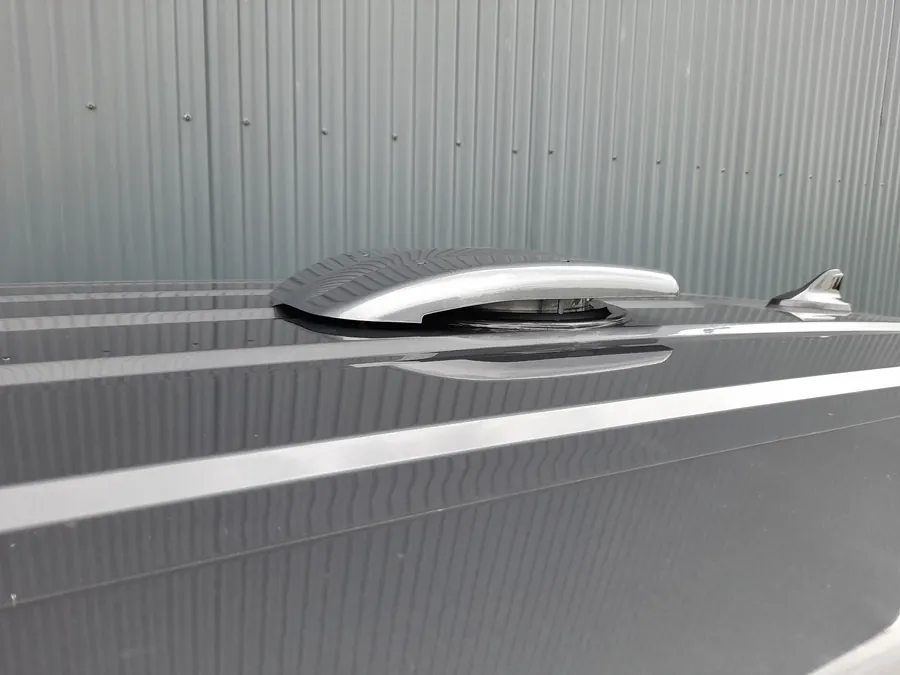
An electric roof hatch has a motor that raises and lowers the panel at the touch of a button. The driver can open both hatches a little to freshen the saloon, close them the moment it starts to rain, and never leave the seat. On a coach carrying passengers for hours at a time, that matters. It is also the tidiest solution on a vehicle where the hatches are far from the cab.
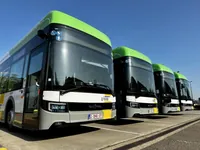
The electric 970 x 530 mm hatch is the larger of the two formats we stock. The longer opening gives more ventilation area and more daylight, and it provides the larger emergency exit opening that full-size coaches typically call for. The 530 x 530 mm format, available in both manual and electric versions, is the choice for smaller vehicles and for positions where roof space is limited by air conditioning units or luggage racks.
Electric hatches keep a manual emergency release. The motor is for daily comfort; the emergency function never depends on it. If power is lost, the hatch can still be released by hand from inside.
ECE 43R glass and the emergency exit function
The panel in a bus or coach hatch is not ordinary glazing. Our hatches use ECE 43R glass, the type approval used for safety glazing on road vehicles, which behaves predictably if it breaks and is suitable for a panel that people may need to push through or climb out of. If you are replacing an older hatch, check that the glass in the replacement carries the same marking; an unmarked panel is a warning sign.
The emergency exit function is usually a red handle or release on the frame. Pulling it disengages the panel from its normal hinge and latch so it can be swung fully open or removed, leaving the whole cut-out clear. Some operators specify a breakable panel with a hammer as a second route. Either way, the release should be clearly marked, kept free of luggage and curtains, and tested as part of routine inspection. A hatch that is stiff to release after five years of paint and dirt is a hatch that has not been checked.
Fitting an emergency exit hatch is not the same as fitting a ventilator. The cut-out must be reinforced to suit the roof structure, the frame must be fixed so that it cannot be pushed out of the roof with the hatch, and nothing may obstruct the opening from inside. Your coachbuilder or inspection body can confirm what applies to your vehicle class and country.
The control unit and the driver's switches
Choosing the right hatch for your vehicle
A short checklist takes most of the guesswork out of the decision.
- Vehicle size. Minibus or ambulance: 530 x 530 mm. Full-size coach: 970 x 530 mm, usually two of them.
- Reach. If the driver can touch the hatch from the seat, manual is fine. If not, electric earns its keep.
- Roof space. Measure between air conditioning pods, aerials and roof rails before choosing the larger format.
- Voltage. Confirm what the vehicle runs on, and ask us first if it is 12 V.
- Replacement or new build. For a replacement, measure the existing cut-out carefully and send us the dimensions. A slightly different aperture is often the difference between a morning's work and a week's.
Our bus and coach page covers the wider ventilation picture, including rooftop ventilators that work alongside hatches, and the contact page is the fastest route if you would like us to check a measurement before you order.
Frequently asked
Do I need a control unit for every electric hatch?
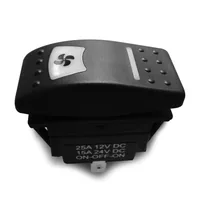
The electric hatches are driven through the 30-6000 control unit. Tell us how many hatches you are fitting, front and rear on a typical coach, and we will confirm how many units the installation needs and how the driver's switches are wired.
Does an electric hatch still work as an emergency exit if the power fails?
Yes. The emergency release is manual and independent of the motor, so the hatch can always be opened by hand from inside.
Are the hatches available in 12 V?
The electric hatches and the control unit were developed for 24 V coach and bus systems, so check the voltage on the product page. For a 12 V vehicle, ask us before ordering; a voltage converter for the hatch circuit is normally the answer.
What is ECE 43R glass?
It is the type approval for safety glazing on road vehicles. The glass in our hatches carries this marking, which matters for a panel that doubles as an emergency exit.
Can I replace an old hatch with a new one of the same size?
Usually yes, provided the cut-out matches. Measure the aperture, not the old frame, and send us the numbers before ordering.